System-on-Chip & System-on-Module
for Automotive ECUs
IAST designs and deploys automotive ECUs on both bare System-on-Chip (SoC) and System-on-Module (SoM) platforms — SoCs for cost-optimized high-volume programs, and SoMs for fast development and flexible upgrades.
We help you decide when to go directly to a bare SoC — like NXP S32G for gateway or TI TDA4VM for ADAS compute — and when to start on a SoM such as the NXP i.MX6 for infotainment and HMI. Our architecture, bring-up, and validation expertise spans both paths, keeping safety, cost, and production timelines on track.
Platform Selection & Architecture
- SoC vs. SoM trade-off analysis
- ECU architecture definition & partitioning
- AUTOSAR Classic / Adaptive scoping
- Safety-aware hardware/software co-design
- Multi-core & heterogeneous workload mapping
Low-Level Software & BSP Bring-Up
- Board bring-up, MCAL, bootloader
- Linux / Yocto / Android BSP customization
- Secure boot & HSM key provisioning
- Communication stack bring-up (CAN, ETH, LIN)
- Driver development & OS integration
Integration & Validation
- HIL / SIL / MIL bench setup & test suites
- Cybersecurity & functional safety test cases
- Network timing & failover validation
- OTA pipeline end-to-end testing
- Production-release evidence package
From gateway silicon to ADAS compute and infotainment modules — hands-on bring-up and production delivery across all major automotive platforms.
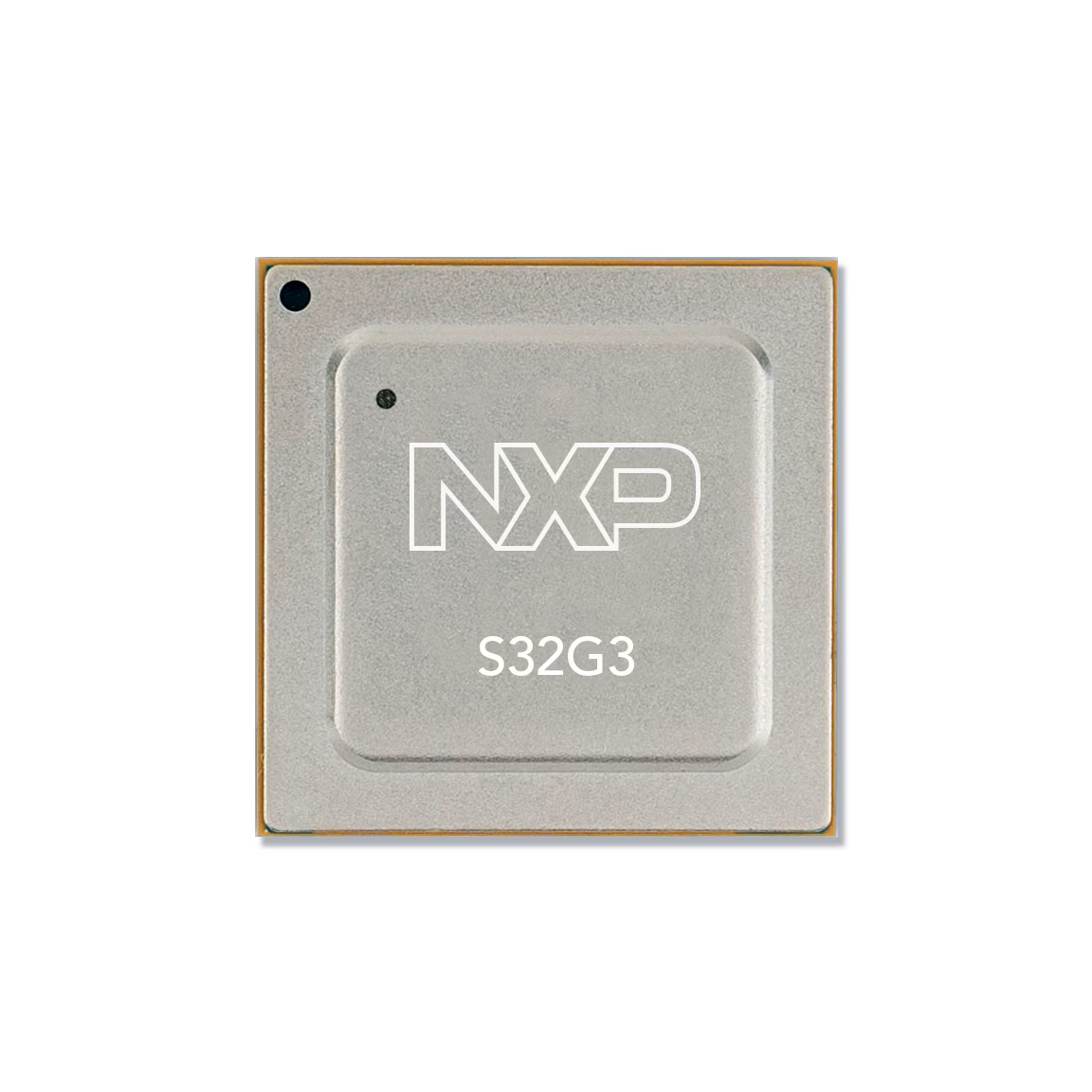
NXP S32G — Gateway SoC
High-performance network processor for zonal and central gateways. Ideal for service-oriented, secure in-vehicle networking and SDV architectures.
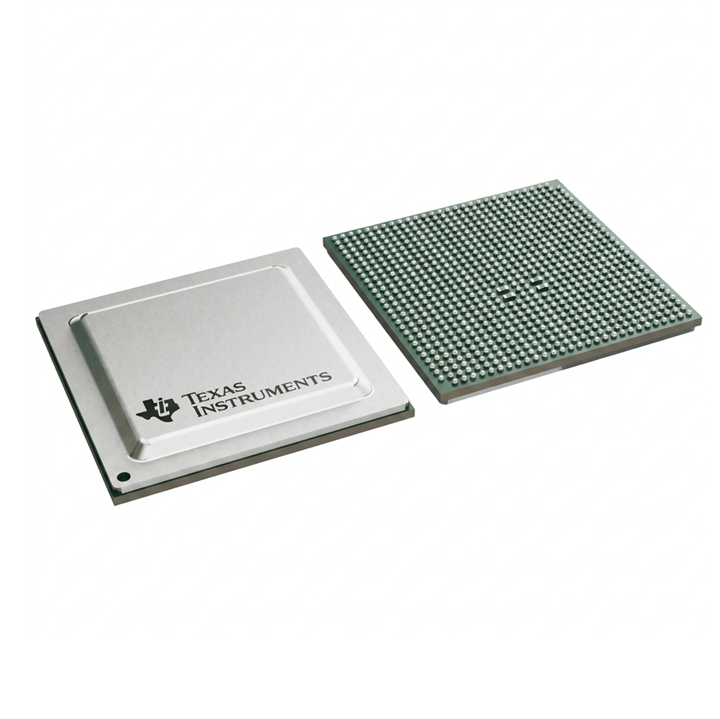
TI TDA4VM — ADAS Compute
Heterogeneous SoC with CPU, DSP and accelerators for multi-camera perception, radar/LiDAR fusion, and path-planning workloads.
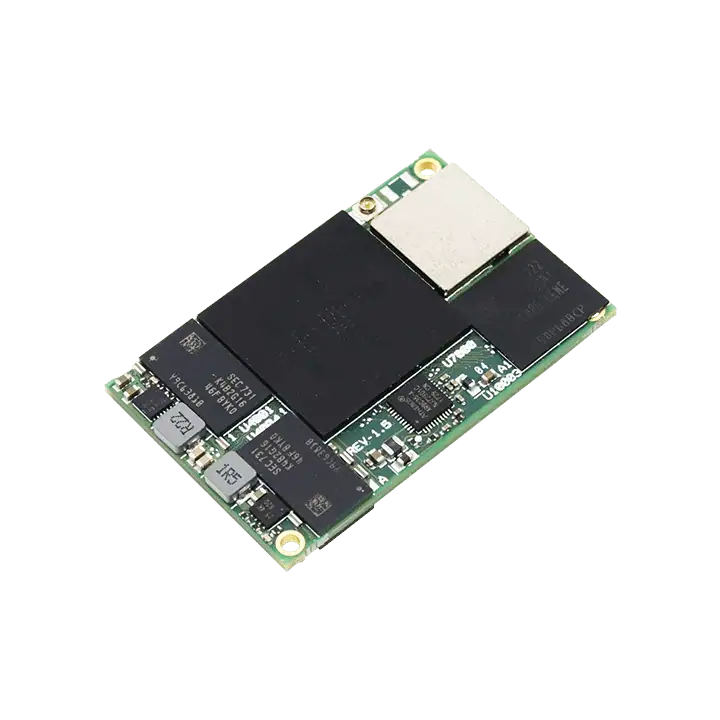
NXP i.MX6 — Infotainment SoM
Linux-capable module widely used for infotainment, HMI and connectivity ECUs. Fast bring-up with a clear migration path to production hardware.
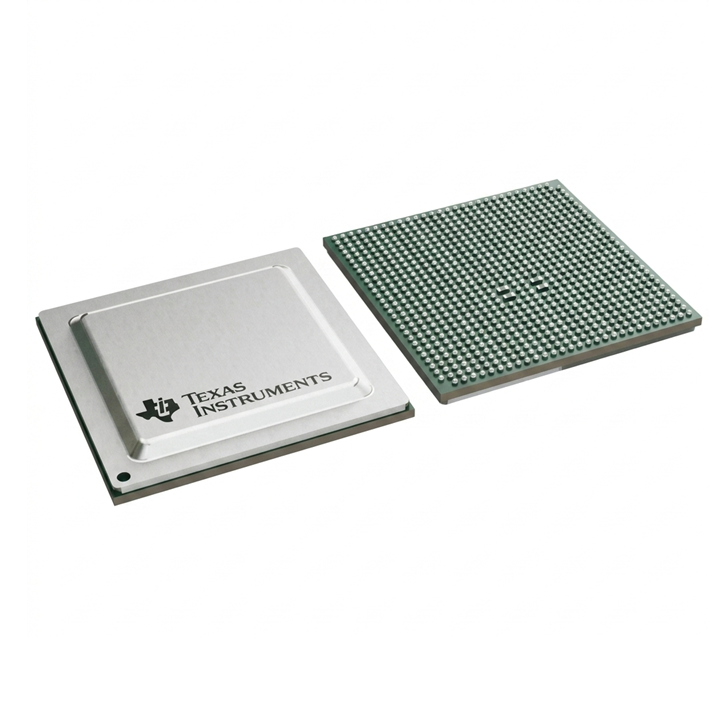
TI DRA829 — Gateway / Domain SoC
Automotive SoC for domain controllers and high-speed gateways, combining real-time cores, safety, and high-bandwidth networking.
- Designed to support ISO 26262 functional safety up to ASIL D as part of NXP's SafeAssure program (depending on system architecture).
- Act as zonal or central gateway with multiple CAN FD and automotive Ethernet (100BASE-T1, 1000BASE-T1) ports.
- Run firewalls, routing, and service-oriented communication (SOME/IP, DoIP) for SDV and E/E architectures.
- Host security functions using integrated HSM for secure boot, secure flashing, and SecOC.
- Aggregate diagnostics and telemetry from all vehicle ECUs for backend connectivity and OTA.
- Gateway ECU architecture on S32G, partitioning AUTOSAR Classic (M-core) and Linux/Adaptive (A-core) with robust isolation and inter-core communication.
- AUTOSAR Classic + Adaptive platform bring-up on S32G, including MCAL, COM stack (CAN, LIN, Ethernet), crypto stack, DoIP, and SecOC.
- Secure boot and secure flashing using HSM with end-to-end key and certificate management ensuring platform integrity.
- Custom firewall and traffic-shaping logic, logging, and health monitoring for fleet operation.
- HIL-based validation of network timing, failover behaviour, and cybersecurity test cases.
- Functional-safety-compliant architecture targeted up to ISO 26262 ASIL D for MCU domain and ASIL B for main domain (depending on configuration).
- Run multi-camera perception, LiDAR/radar fusion, and real-time object tracking on heterogeneous cores.
- Execute path-planning, control algorithms, and decision logic with dedicated DSP and accelerator offload.
- Serve as central ADAS compute node interfacing with gateways and actuator ECUs over Ethernet and CAN.
- Offload DNN and vision workloads to MMA/C7x accelerators for energy-efficient inference at the edge.
- Board support, boot flow, and secure boot configuration for TDA4VM-based ADAS ECUs.
- Linux/Yocto platform with ROS 2 for perception, sensor fusion, and planning pipelines in real-time ADAS applications.
- Camera, LiDAR, and radar pipeline integration with real-time data recording and replay framework.
- High-speed communication interfaces over CAN FD and automotive Ethernet to gateway and actuator ECUs with full diagnostics support.
- End-to-end ADAS data flow from sensor ingestion to actuation, enabling real-time processing and decision-making.
- Scenario-based ADAS validation on HIL benches and track/field data collection rigs.
- Implement high-speed domain or zonal controllers with multiple automotive Ethernet (1Gbps, TSN capable) and CAN/CAN FD interfaces.
- Designed to support functional safety (ISO 26262 up to ASIL-B/D depending on system design).
- Run mixed-criticality workloads using real-time and application cores with functional safety support.
- Host centralized gateway functions, firewalls, and service routing in software-defined vehicle architectures.
- Aggregate and preprocess data from ADAS, infotainment, and body ECUs for upstream compute or cloud.
- Scalable domain controller architecture on DRA829, enabling clear separation of safety-critical, real-time, and application workloads for next-generation vehicle platforms.
- Robust and secure platform foundation including optimized boot flow, secure boot implementation, and reliable OTA mechanisms to ensure system integrity.
- Integration of AUTOSAR and Linux environments where required, with shared communication channels.
- Network configuration (VLANs, QoS, routing) tuned for zonal and central architectures.
- Lab and HIL validation of timing, failover, and cybersecurity behavior for DRA829-based platforms.
- When combined with appropriate system-level safety mechanisms, can be used in ISO 26262-compliant infotainment and HMI systems (typically ASIL-B targets).
- Run full Linux or Android stacks for in-vehicle media, navigation, and connected cloud services.
- Drive high-resolution displays, multi-touch screens, and digital instrument clusters via GPU and IPU.
- Host connectivity services: Wi-Fi, Bluetooth, and Ethernet-based cloud and V2X links.
- Interface with vehicle networks via CAN / CAN FD and UDS diagnostics channels on the carrier board.
- Carrier-board design with display, audio codec, connectivity, and vehicle bus interfaces for infotainment ECUs.
- Linux or Android BSP customization, Yocto layer development, and application framework integration.
- IVI / HMI application containers, OTA update pipeline, and encrypted secure data storage.
- Integration with gateway ECUs for media, navigation data, and live vehicle parameter feeds.
- Migration planning from i.MX6 SoM prototypes to custom i.MX8-based SoC production boards at volume ramp.
Purpose-built expertise covering architecture, low-level software, security, and validation for SoC and SoM-based automotive ECUs.
Architecture & SoC Selection
- SoC vs. SoM platform trade-off studies
- AUTOSAR Classic vs. Adaptive scoping
- Safety target mapping (ASIL A–D)
- Multi-core & heterogeneous partitioning
- E/E architecture for SDV/zonal/central
BSP, MCAL & Bootloader
- Board bring-up & hardware validation
- MCAL configuration (CAN, LIN, Ethernet, SPI)
- Authenticated bootloader development
- Secure boot & HSM integration
- Linux / Yocto / RTOS BSP bring-up
Network & Diagnostic Stack
- CAN FD, Automotive Ethernet, LIN bring-up
- AUTOSAR COM, PDU Router, NM, SOME/IP
- DoIP & UDS ISO 14229 gateway
- SecOC & TLS for secure messaging
- OTA update pipeline orchestration
Platform Security
- HSM firmware & key management
- Secure boot, secure flash, secure debug
- ISO/SAE 21434 TARA & risk assessments
- UNECE R155 / R156 compliance support
- Certificate provisioning & lifecycle
Safety Engineering
- ISO 26262 ASIL decomposition & analysis
- FMEA, FTA, HARA documentation
- Safety monitor & watchdog implementation
- Safe-state enforcement & MRC logic
- Safety case & evidence package delivery
Testing & Validation
- HIL, SIL, MIL bench setup
- Network timing & failover test suites
- Cybersecurity penetration testing
- ADAS scenario-based validation
- Production-release evidence & reports
A structured, milestone-driven engagement from platform selection through production release — keeping your timelines and safety targets on track.
Platform & Architecture Review
We analyze your requirements, safety targets, and production volumes to select the right SoC or SoM and define the software architecture.
Hardware Bring-Up
Board bring-up, MCAL configuration, secure boot, and initial OS/BSP integration to establish a stable, validated low-level foundation.
Software Stack Integration
AUTOSAR stack, communication layers, cybersecurity stack, and application software integration with full traceability to requirements.
Validation & Release
HIL/SIL testing, safety case compilation, cybersecurity review, and production-release evidence package for customer and authority sign-off.
Real-world delivery experience across production programs and prototype projects spanning automotive OEMs and Tier-1 suppliers.